
Every week, SEC Form D filings quietly reveal which private companies just closed new funding rounds — often well before the press catches on. In the last 72 hours, eight companies filed fresh disclosures with the SEC, ranging from a $672M growth round for an AI inference chip maker to a five-person ophthalmic device startup advancing its first human trial. Here is who raised, how much, and what they are building next.
| Company | Amount Raised | Round | Key Investors | Date | Founders | Industry | Headquarters |
|---|---|---|---|---|---|---|---|
| Groq | $672M | Growth Financing | Disruptive, Infinitum Partners | Jul 23, 2026 | Jonathan Ross | AI / Semiconductors | Palo Alto, CA |
| Allotera Therapeutics | $123.3M | Series C (Extension) | Fidelity Management, RiverVest, Lightchain Capital | Jul 23, 2026 | Kumar Srinivasan | Biotechnology | St. Louis, MO |
| Great Sky | $25.9M | Seed (Extension) | Bison Ventures, Matchstick Ventures | Jul 23, 2026 | Jeffrey Shainline | AI Hardware | Boulder, CO |
| Istari Digital | $22.6M | Series A | Icon Ventures, Eric Schmidt, AeroX Ventures | Jul 24, 2026 | Will Roper | Defense Tech | Arlington, VA |
| Provable | $7.5M | Growth Round | DepinX Capital, Digital Currency Group, Galaxy Ventures | Jul 23, 2026 | Howard Wu | Web3 / Crypto Infra | San Francisco, CA |
| TECLens | $5.23M | Series A (Extension) | J&J Innovation (JJDC), Yonjin Capital | Jul 24, 2026 | Madhu Ayyagari | Medical Devices | Stamford, CT |
| BRIUS Technologies | $5.03M | Growth Financing | Undisclosed | Jul 23, 2026 | Mehdi Peikar | Orthodontics | Addison, TX |
| Pixelligent Technologies | $4.19M | Growth Financing | Undisclosed | Jul 23, 2026 | Craig Bandes | Nanotechnology | Baltimore, MD |
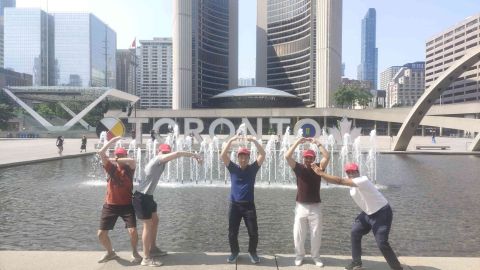
Groq builds the LPU (Language Processing Unit), a processor designed from the silicon up specifically for AI inference rather than training. The $672M growth round, led by Disruptive and Infinitum Partners, lands right after Groq's non-exclusive licensing deal with NVIDIA and a period of re-staffing — capital aimed squarely at scaling its inference cloud as demand for fast, cheap LLM serving keeps climbing.
Best For: Teams running production LLM workloads that need low-latency, low-cost inference at scale rather than general-purpose GPU compute.


Formerly known as Wugen, Allotera Therapeutics just closed an additional $35M, bringing its Series C total to $150M, to advance Sofi-cel — a CD7-targeted, off-the-shelf allogeneic CAR-T therapy for T-cell cancers now in a global pivotal trial. The program already holds FDA Breakthrough Therapy, RMAT, Fast Track, and Orphan Drug designations.
Best For: Oncology programs looking for validated proof that allogeneic, off-the-shelf cell therapy can reach pivotal-stage development with biologics-like manufacturing economics.
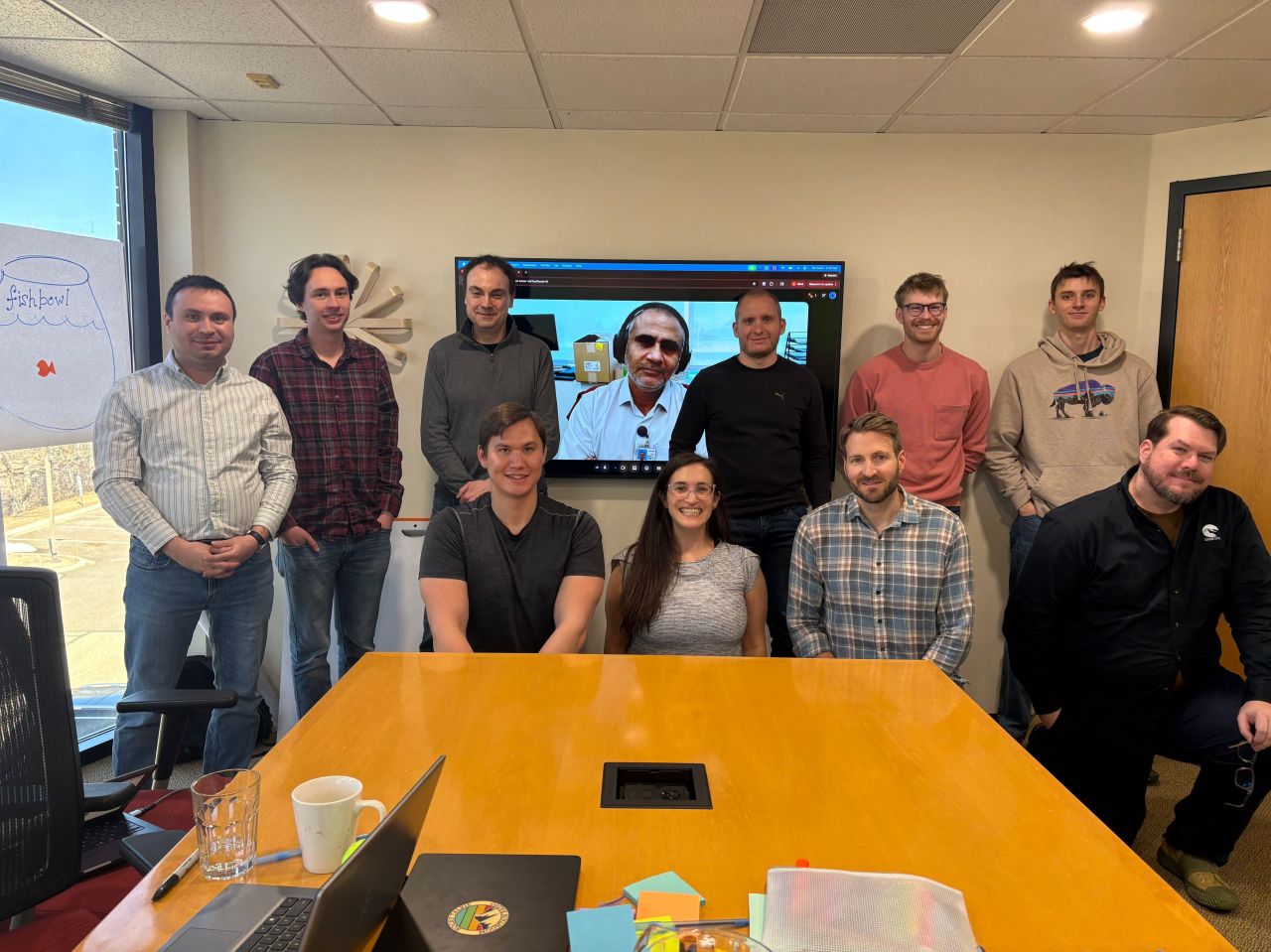
Great Sky is reinventing AI hardware from the physics layer up — combining superconducting electronics with single-photon optical communication to sidestep the speed and power limits of silicon. Founded by a team of former NIST researchers after 12 years of foundational work, the company just disclosed an extended seed round as it scales from 1 to 17 employees in under two years.
Best For: AI infrastructure teams and investors betting on non-silicon compute architectures for the next decade of AI scaling.

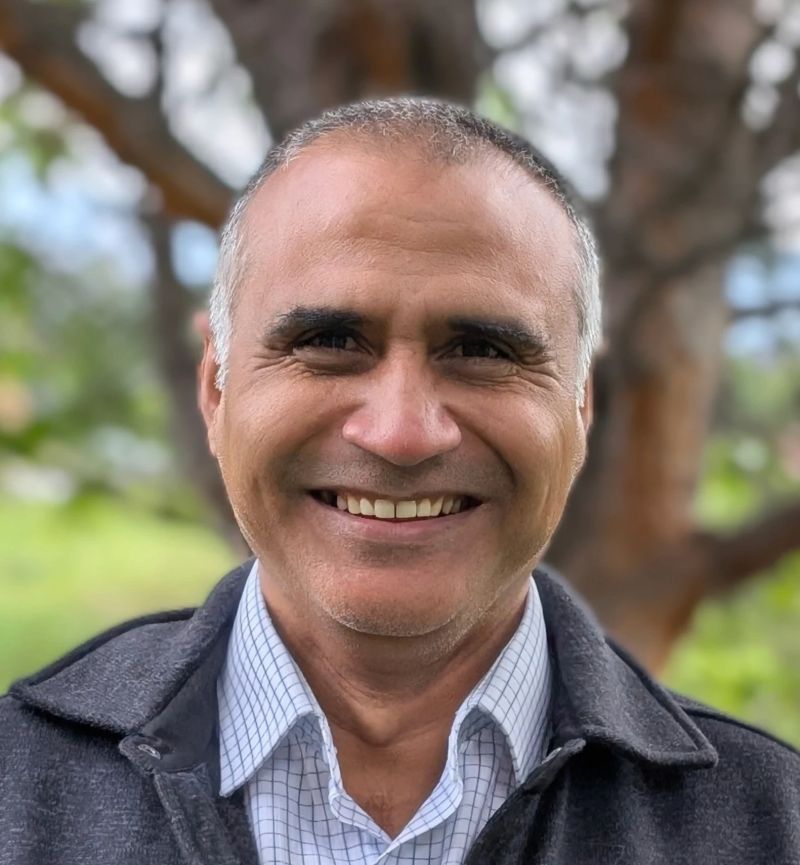
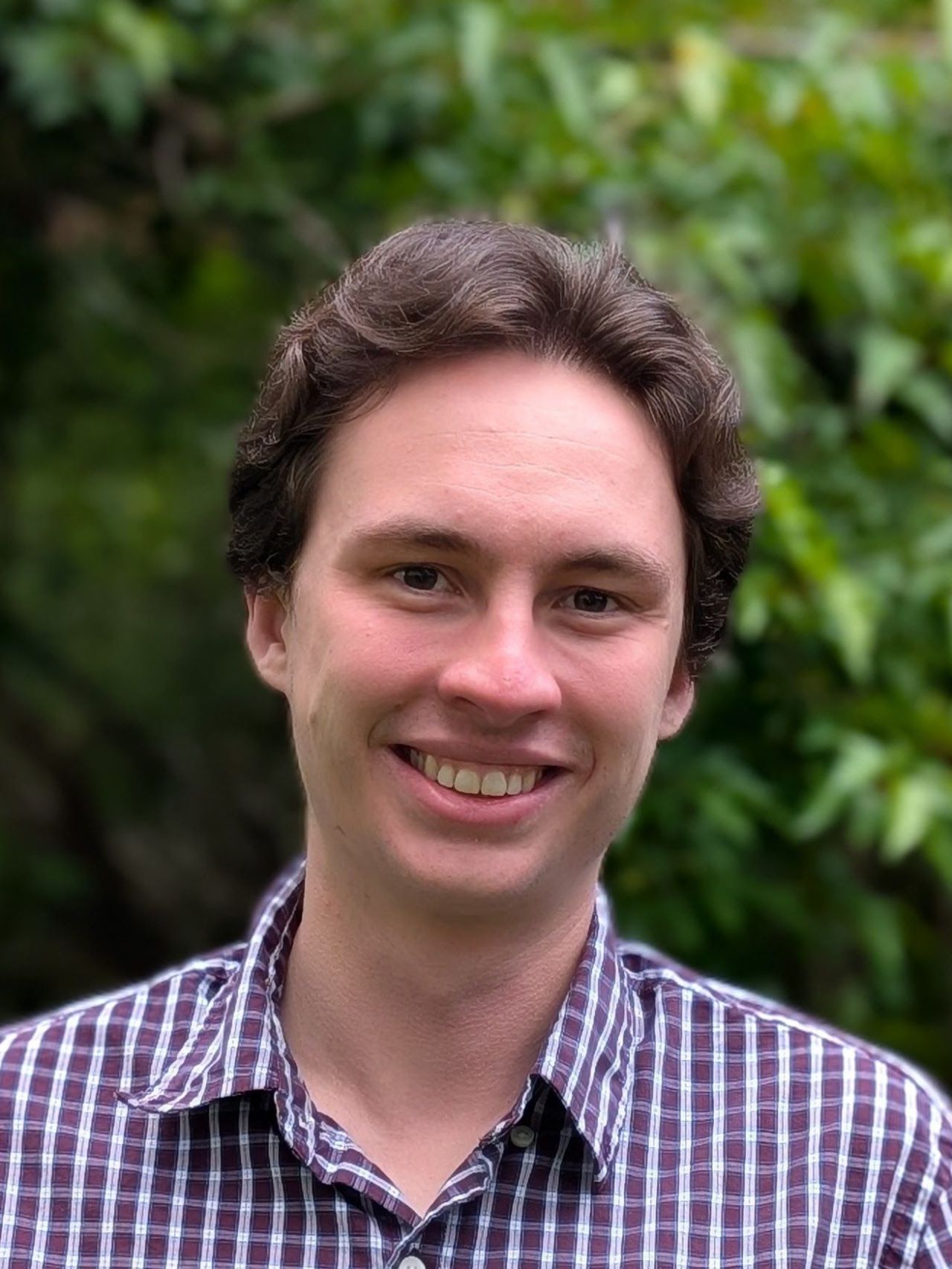
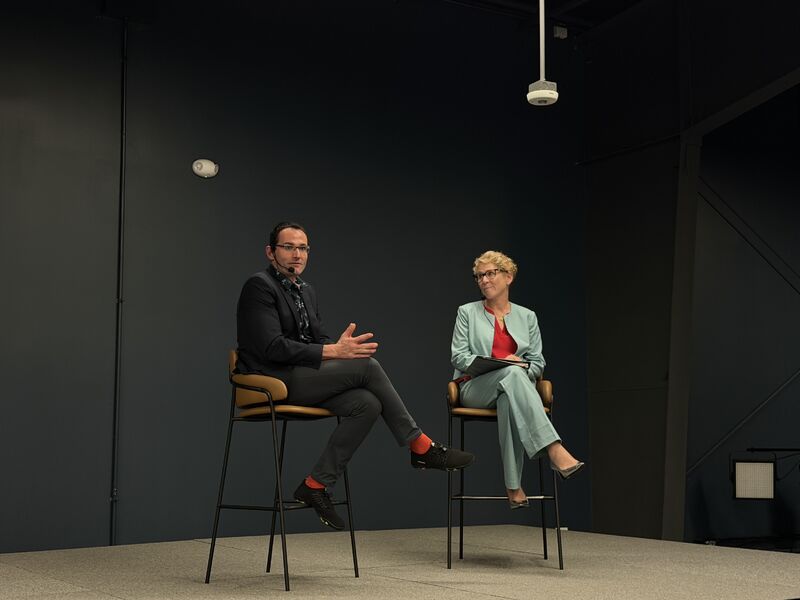
Istari Digital builds secure digital-twin infrastructure that lets defense and aerospace organizations collaborate on engineering data without centralizing it. The company was just named a Top 100 2026 Technology Pioneer by the World Economic Forum, and recently landed an $8.6M Air Force DTO contract for its Industry Øne program — the fresh capital extends its Series A as it scales AI-native engineering tools for the defense industrial base.
Best For: Defense contractors and government agencies that need secure, decentralized collaboration on simulation and engineering data across organizational boundaries.
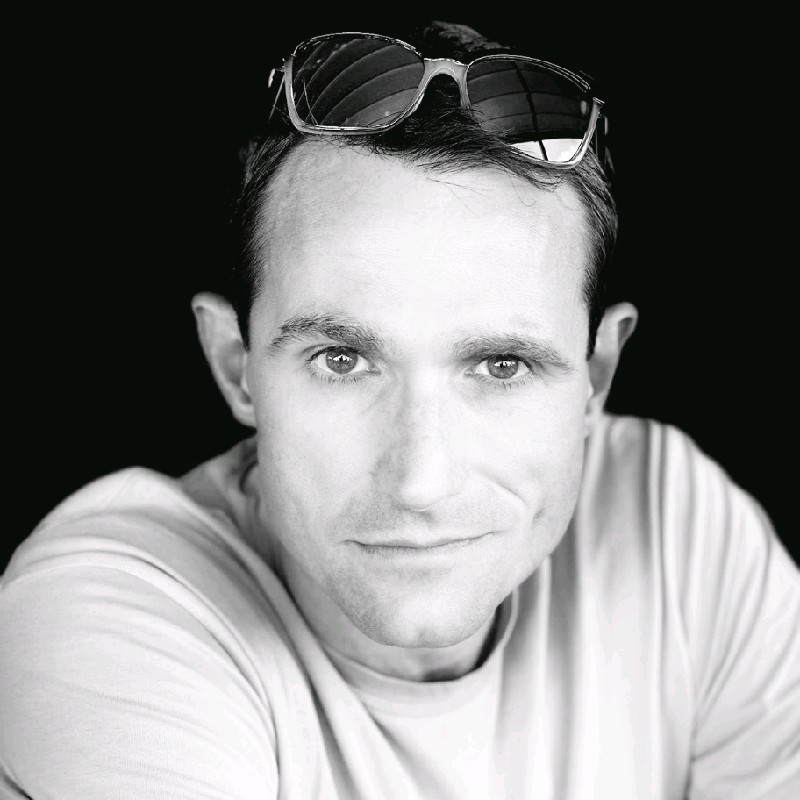

Provable, the team behind the Aleo blockchain, snarkOS, and the Leo language, builds zero-knowledge tooling that lets developers ship private, compliant financial applications. The round comes as the company ships program upgradability on mainnet and a 90% proving-speed improvement — core plumbing for the next wave of privacy-preserving Web3 apps.
Best For: Developers and fintech teams building compliant, confidential applications on top of zero-knowledge infrastructure rather than public-by-default blockchains.
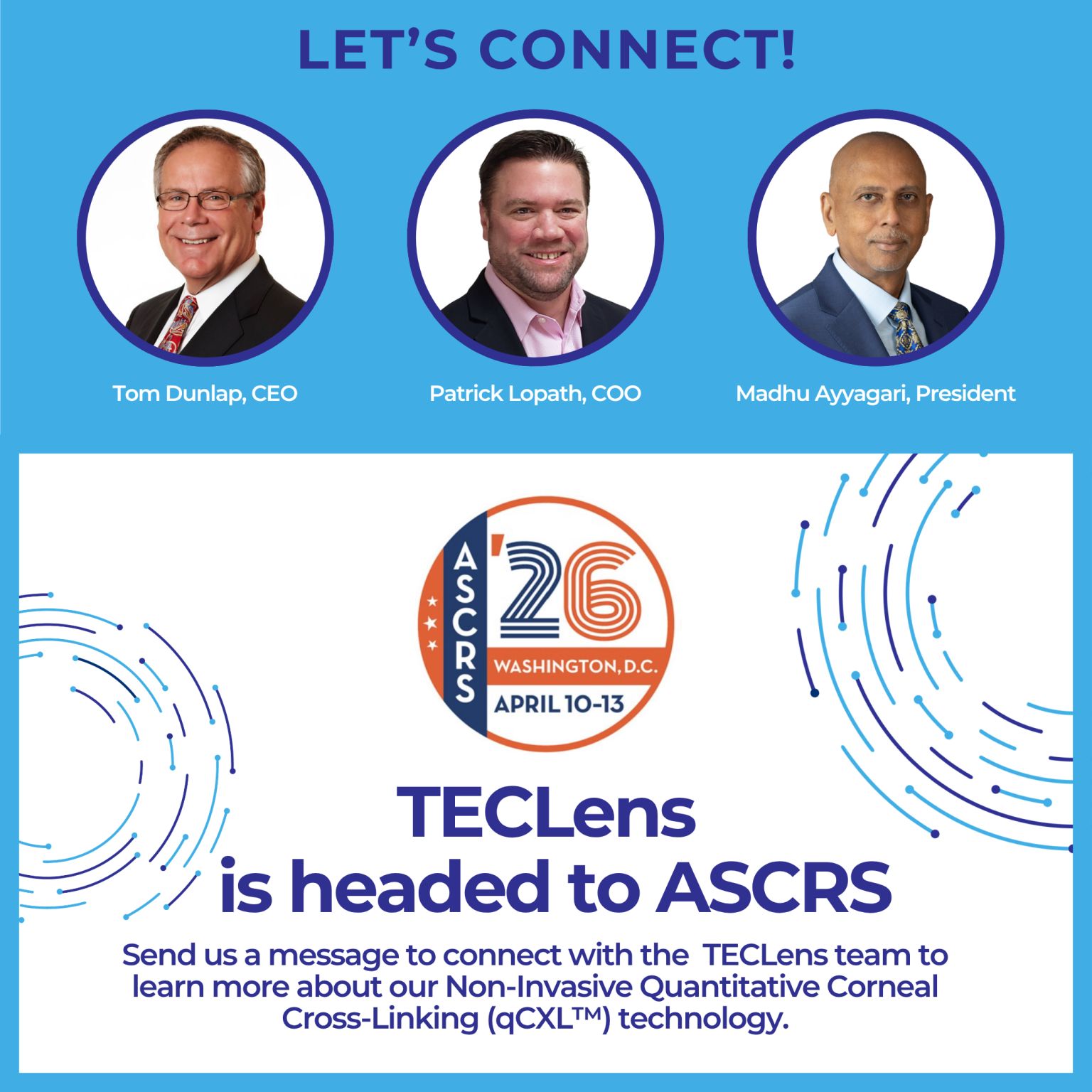
TECLens is developing qCXL™ — a non-invasive quantitative corneal cross-linking technology that uses patterned UV light to reshape the cornea without surgery. The company recently treated its first patient in a first-in-human clinical trial, and this extension keeps its Series A funded as it works toward at-home-adjacent, non-surgical alternatives to LASIK and reading glasses.
Best For: Patients and eye-care providers looking for a non-surgical path to correcting presbyopia, low-order myopia, and keratoconus.


BRIUS makes the Brava® system, a behind-the-teeth orthodontic device that moves each tooth independently using Independent Movers® technology — a hidden alternative to braces and aligners. The company recently launched Brava+ with the industry's first self-engaging brackets and has expanded to 10 countries, and this growth financing keeps that expansion funded.
Best For: Orthodontists and patients who want faster treatment times with an appliance that stays hidden from the front of the smile.
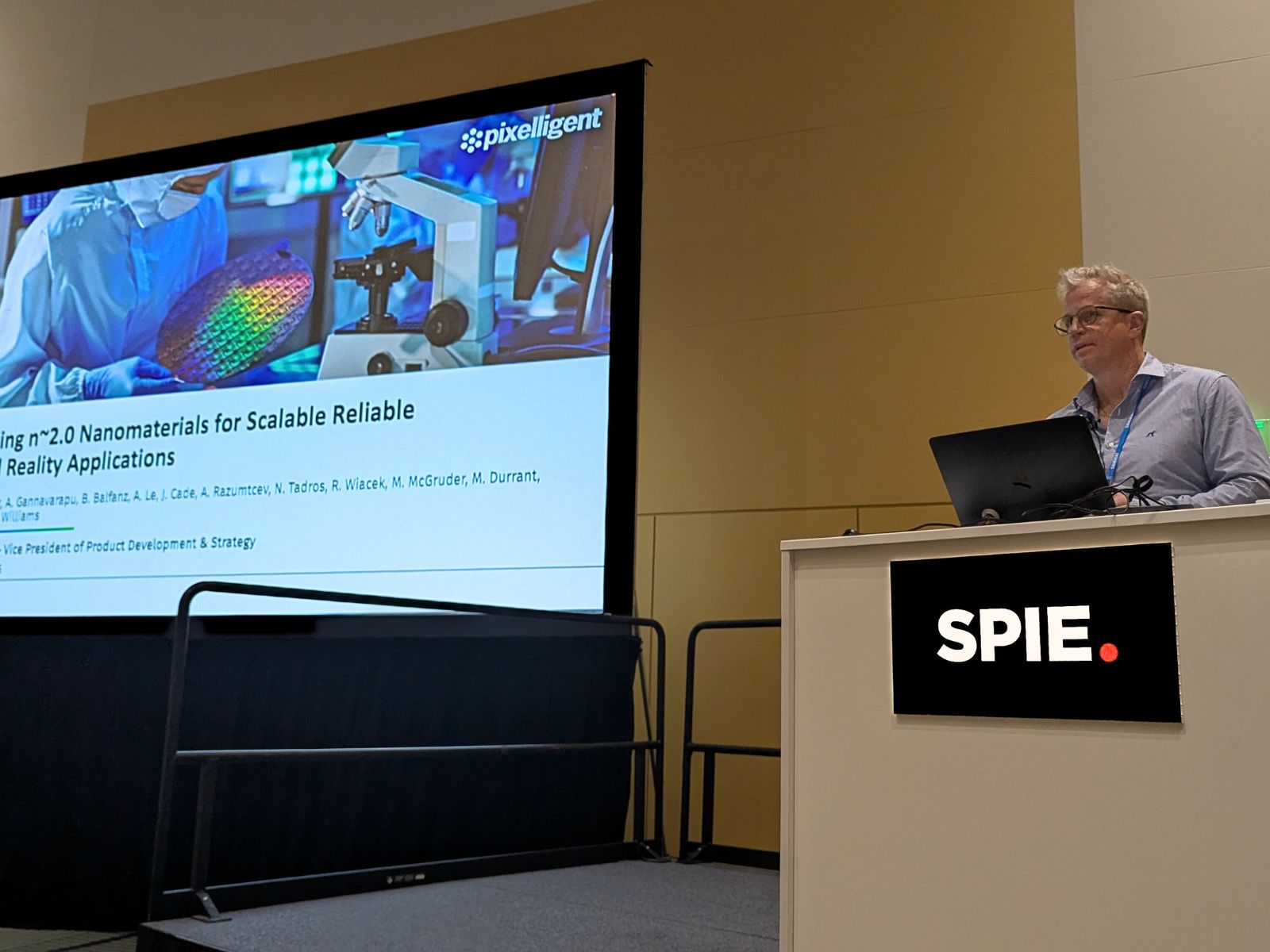
Pixelligent manufactures high-refractive-index nanocrystal formulations (PixClear®, PixNIL®, PixJet®) that improve brightness, clarity, and field of view in AR/VR displays, OLED lighting, and optical sensors. The company has raised nearly $100M since 2009 and was Frost & Sullivan's first-ever nano-manufacturer of the year — this round keeps its materials pipeline funded as XR and advanced display demand accelerates.
Best For: Display and XR hardware makers needing higher-performance optical materials for waveguides, OLED lighting, and image sensors.

Choosing the right company
The eight companies above sit at very different stages and risk profiles. Groq and Allotera are backing an inference-scale AI platform and a clinical-stage cell therapy already deep into pivotal trials — larger checks, larger rounds, larger teams. Great Sky and Istari Digital are earlier bets on non-obvious infrastructure (superconducting compute, decentralized digital engineering) where the upside is asymmetric but the technology risk is real. Provable, TECLens, BRIUS, and Pixelligent are narrower, deeply technical plays — a zero-knowledge tooling layer, a non-invasive vision correction device, a hidden orthodontic system, and a materials science supplier to the display industry. For operators and investors tracking the space, the SEC Form D disclosure is often the first public signal that any of this capital moved at all.