
Five companies filed SEC Form D disclosures between July 18 and July 21, 2026, together showing more than $170M in newly raised or amended equity and debt financing. The list spans an AI/HPC networking company extending a nine-figure growth round, a satellite intelligence firm backed by S&P Global and Citi, a second act from Vacasa's founder, a Nasdaq-listed disinformation-detection startup pricing a premium private placement, and a football analytics spinout grading players at the 2026 World Cup. Below is a closer look at each company, who's running it, how their headcount is trending, and what roles they're hiring for right now.
| Company | Amount Raised | Round | Key Investors | Date | Founders | Industry | Headquarters | Roles Hiring | Application |
|---|---|---|---|---|---|---|---|---|---|
| Cornelis Networks | $112M | Growth Financing (Convertible Notes) | Not publicly disclosed | Jul 20, 2026 | Lisa Spelman | AI & HPC Networking | Wayne, PA | Senior Manager, ASIC Design Engineering, Marketing Events and Experiences Manager, Global Field CTO | Apply Here |
| Ursa Space Systems | $27.9M | Equity Financing | S&P Global, Citi (existing strategic investors) | Jul 20, 2026 | Adam Maher | Geospatial Intelligence | Ithaca, NY | Jr. AI Engineer, Sr. Data Engineer, Sr. Full Stack Software Engineer | Apply Here |
| Fairly | $13.6M | Growth Equity | Founders & internal investors | Jul 20, 2026 | Eric Breon | Vacation Rental Management | Portland, OR | Market Manager | Apply Here |
| Cyabra | $6.0M | PIPE / Private Placement | New & existing institutional investors, management and board members | Jul 20, 2026 | Dan Brahmy | Narrative Intelligence / AI | New York, NY | No roles currently open | View Page |
| Gradient Sports | $10.4M | Growth Equity (first institutional raise) | Not publicly disclosed | Jul 20, 2026 | Nate Gerstle | Football / Sports Analytics | Cincinnati, OH | No roles currently open | View Page |
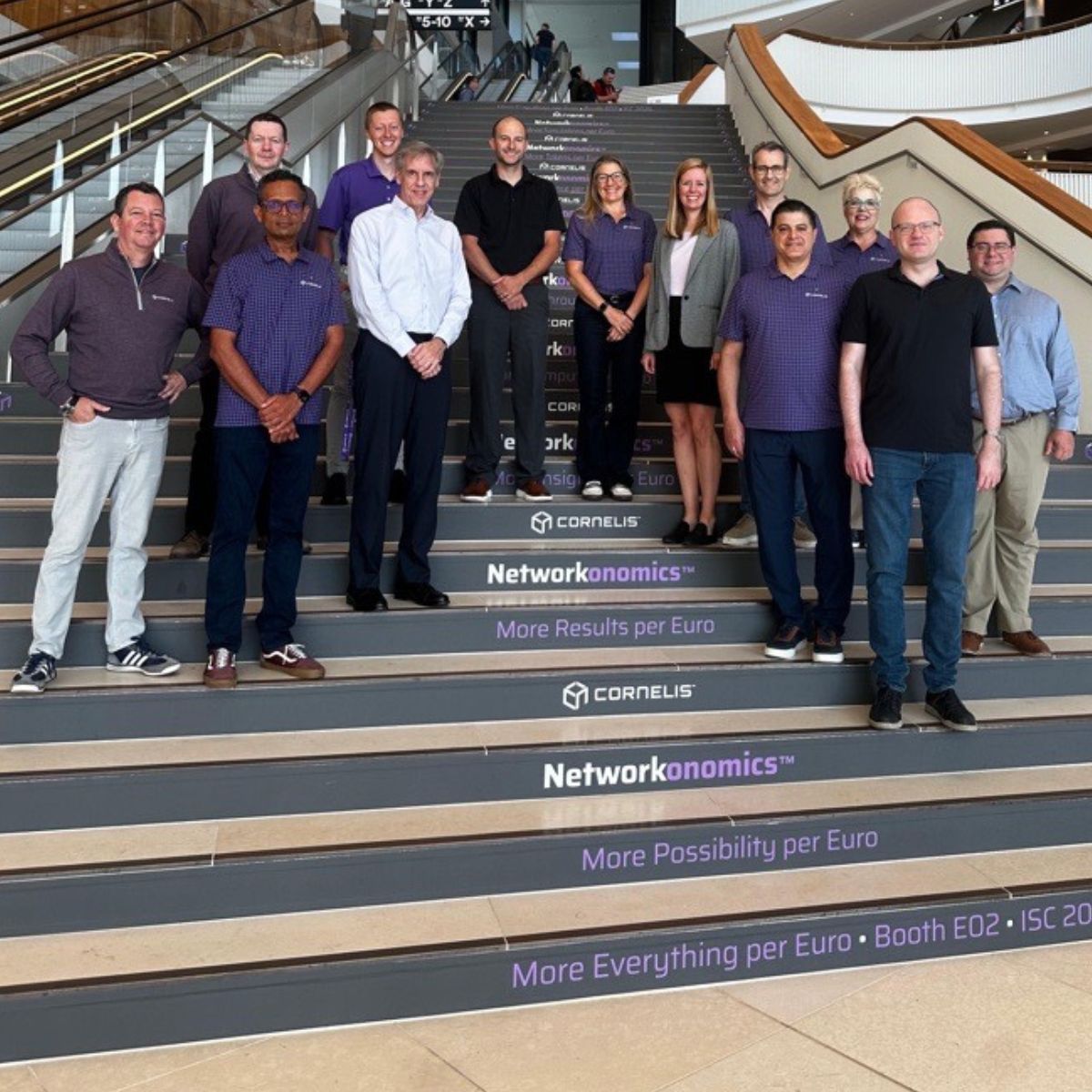
Cornelis Networks builds the Omni-Path scale-out network fabric used by AI and HPC data centers to move data between GPUs and CPUs without congestion or packet loss. The company just landed two major supercomputer installs — Lawrence Livermore National Laboratory's Lynx system and a fabric upgrade at the Texas Advanced Computing Center — and this growth round, an amendment increasing an existing convertible note financing to $112M drawn against a $245M facility, arrives as AI infrastructure spend keeps accelerating and Cornelis positions its next-gen CN6000 SuperNIC for silicon testing.
Best For: Enterprises and national labs running large-scale AI training or HPC simulation clusters that need a lossless, congestion-free interconnect as an alternative to legacy InfiniBand or Ethernet fabrics.


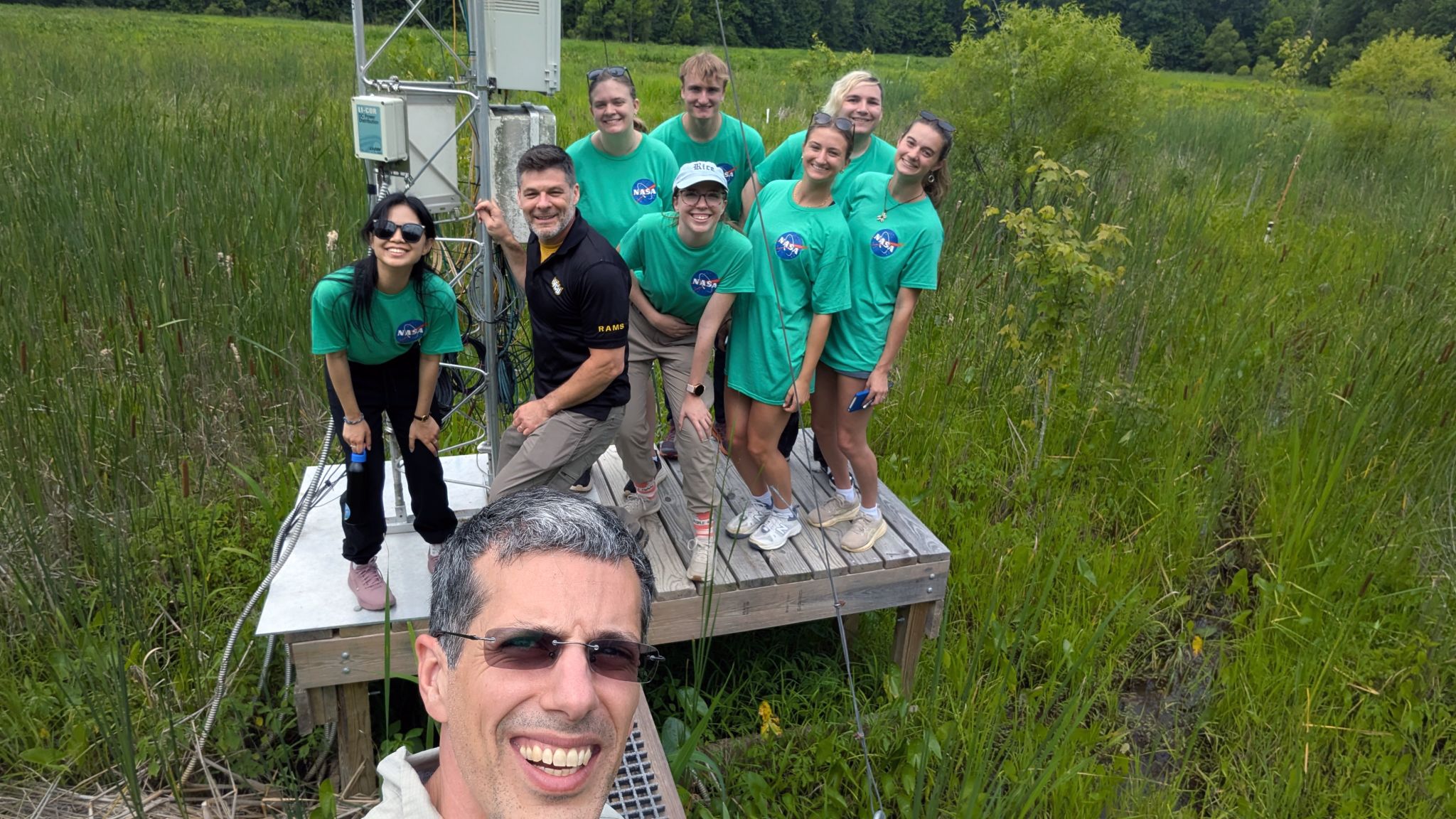
Ursa Space Systems fuses satellite radar, optical and AIS data into an AI-native geospatial insights platform used across finance, energy and defense to track everything from dark vessels evading sanctions to construction progress at industrial sites. This fully-subscribed $27.9M equity round, disclosed in a filing covering capital raised earlier in 2026, builds on strategic backing from S&P Global and Citi as the company scales its "change explained" analytics business beyond its traditional defense and intelligence customer base.
Best For: Finance, energy and government teams that need fast, explainable answers about physical change on the ground — maritime tracking, construction monitoring or supply chain disruption — without building their own satellite-data pipeline.


Fairly is Vacasa founder Eric Breon's second act — a vacation rental management platform that connects homeowners to local cleaners and real estate agents instead of trying to run operations itself, the way Vacasa did at scale. Since launching out of stealth in December 2024 with an internally-funded pre-seed round, the company has grown to over 100 employees. This new filing shows $13.6M sold of a $16.5M raise with first sale dated July 10, 2026, extending Breon's founder-funded approach as Fairly expands its footprint.
Best For: Vacation home owners who want hands-on local care and transparent reporting without handing full operational control to a large, faceless property manager.
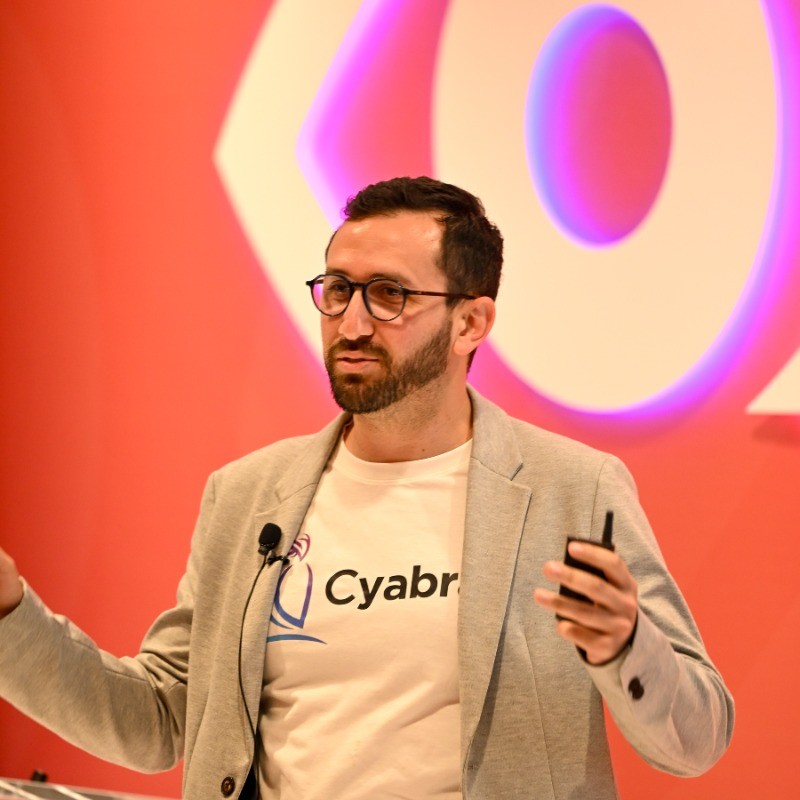
Cyabra (Nasdaq: CYAB) builds AI that detects fake accounts, synthetic media and coordinated disinformation campaigns for enterprises and governments, and was just named a Market Shaper in Gartner's inaugural Narrative Intelligence quadrant. The company priced a $6.0M private placement on July 9, 2026 at a premium to its market price, with new and existing institutional investors alongside management and board members participating — fresh capital as Cyabra expands its World Cup-scale brand monitoring and disinformation-tracking work with partners like Onclusive.
Best For: Communications, trust & safety, and public-sector teams that need to tell genuine public sentiment apart from coordinated inauthentic activity during high-stakes moments.


Gradient Sports spun out of Pro Football Focus in 2024 to build player-grading and off-ball tracking data for professional football (soccer) clubs, media partners and scouts — work that's been front and center during the 2026 World Cup, where its models graded Lionel Messi as the tournament's top-rated player. This filing shows $10.4M sold of a $15.3M offering with first sale dated July 8, 2026, marking the previously bootstrapped company's first institutional capital as it adds club partners like Servette FC and platforms like Marquee and SquadAssist.
Best For: Professional football clubs, broadcasters and recruitment platforms that want graded, event-level player data instead of raw tracking feeds.

Choosing the right company
These five raises point in different directions rather than one trend: Cornelis Networks and Ursa Space Systems are scaling into large, established infrastructure and defense-adjacent markets on the back of nine-figure and eight-figure institutional capital; Fairly and Gradient Sports are still in founder-funded or first-institutional-round territory, building headcount fast (Fairly is up 845% over two years) while proving out product-market fit; and Cyabra is the only one of the five already public, using a premium-priced private placement to fund growth rather than a survival raise. If you're evaluating them as a customer, partner, or candidate, weigh how far along each company is against how much runway and validation actually matters for what you need from them — a 243-person networking vendor shipping into national labs is a very different bet than a 77-person team that just took its first outside check.